Why Medical Marijuana Edibles Are Changing How People Manage Symptoms
For years, the conversation around cannabis medicine centered on smoking or vaping. But a quieter, more precise shift has been happening in kitchens and clinics. More patients are turning to medical marijuana edibles as a primary method for managing chronic pain, anxiety, and sleep disorders. The reason is simple: edibles offer a longer-lasting, more controlled experience without the respiratory effects of inhalation.
I have watched this shift closely, both as a researcher and as someone who has helped friends navigate their first experiences with cannabis-infused snacks. The learning curve is real, but the payoff can be significant. When done right, medical marijuana edibles provide a stable, discreet, and effective way to incorporate cannabinoids into a daily health routine.
How Edibles Work Differently
When you eat a cannabis brownie or a piece of cannabis chocolate, your liver metabolizes the THC into a more potent form called 11-hydroxy-THC. This process takes longer, usually 30 to 90 minutes before you feel anything, but the effects can last four to eight hours. That extended window is why many patients prefer edibles for conditions like chronic pain or insomnia, where short relief from smoking would not be enough.
The key is patience. I have seen people eat a second serving because they did not feel anything after twenty minutes. That is the fastest way to an uncomfortable evening. Understanding your own metabolism, what you have eaten that day, and the specific cannabis potency of the product are all part of the learning process.
The Variety of Options Today
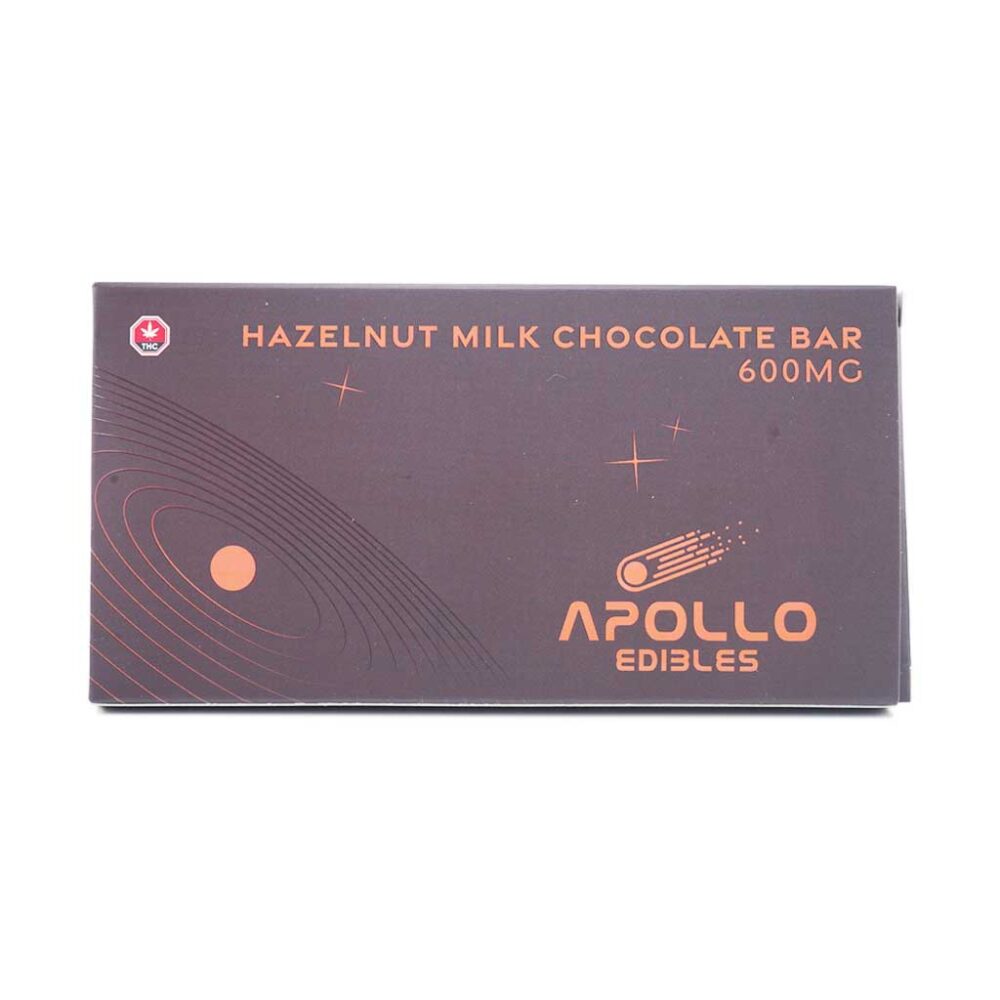
The market has moved far beyond the simple pot brownie. Walk into a dispensary in a regulated state like Colorado, and you will find shelves lined with precision-dosed THC gummies, cannabis fruit chews, and artisan cannabis chocolates. Brands like Kiva Confections, Binske, and Wyld have built reputations on consistent dosing and high-quality ingredients. These are not novelty items; they are carefully formulated products that let patients know exactly how much THC or CBD they are taking in each piece.
Cannabis-infused baked goods remain popular, especially for people who enjoy the ritual of eating something familiar. But the newer categories, gummies, fruit chews, and even mints, offer more discretion. A tin of THC gummies looks like any other supplement on your desk. For someone managing anxiety at work, that matters.
Dosing Edibles with Confidence
Dosing edibles is the single most important skill a new user can develop. A cannabis dosage guide is not one-size-fits-all. Factors like body weight, tolerance, and the reason for use all matter. I recommend starting with 2.5 to 5 milligrams of THC. Wait at least two hours before considering more. Many experienced users stick to 10 to 20 milligrams for a strong but manageable effect.
One mistake I see often is ignoring the difference between THC and CBD ratios. Some products are THC-dominant, others are balanced, and some contain mostly CBD. If you are using edibles for sleep, a product with more CBN (a minor cannabinoid that forms as THC ages) might work better than a high-THC gummy. Reading labels and understanding cannabis extract types, whether the product uses distillate, CO2 extract, or cannabis butter, helps you predict the experience more accurately.
Making Your Own vs. Buying from Brands
There is a growing community of home cooks making cannabis recipes using cannabis butter or cannabis tinctures. I have tried this myself, and the main advantage is control over ingredients. You can use organic butter, control the fat content, and adjust the potency to your exact preference. The downside is consistency. Even with careful decarboxylation, homemade edibles can vary batch to batch.
Commercial edibles brands solve that problem with lab testing. When you buy a product from a reputable company like Kiva Confections or Wyld, you get a predictable dose every time. That reliability is critical for someone who uses medical marijuana edibles to manage a daily symptom like chronic pain. Uncertainty in dosing can mean the difference between relief and a wasted evening.
That said, homemade edibles are often more affordable and allow for more dietary flexibility. If you are vegan, gluten-free, or avoiding certain sugars, making your own cannabis-infused snacks might be the best path. Just invest in a good kitchen scale and a thermometer. Temperature control during infusion matters more than most recipes admit.
Regulation and Safety
Cannabis regulation varies wildly by state, and that affects everything from package labeling to testing requirements. In states like Colorado, medical marijuana edibles must undergo rigorous testing for potency and contaminants. That level of oversight gives patients confidence. In less regulated markets, you are taking a bigger risk with every brownie or gummy. I always advise people to buy from licensed dispensaries when possible, and to ask for lab reports if they are available.
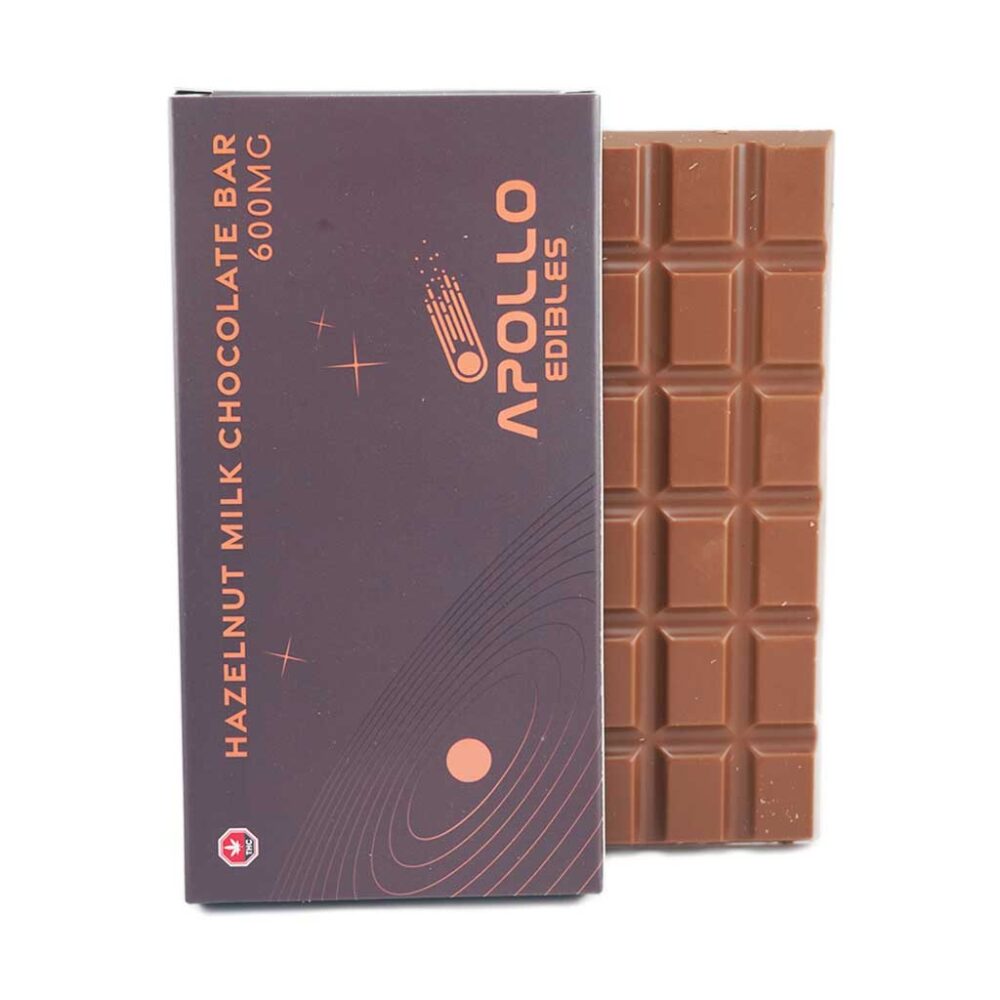
The safety conversation also includes storage. Edibles look like regular food. A cannabis chocolate bar can easily be mistaken for a dessert by a child or a pet. Keep them in their original packaging, clearly labeled, and stored out of reach. This is not just common sense; in many states it is the law.
Matching the Right Product to the Right Symptom
Not all medical marijuana edibles are created equal, and not every product works for every condition. For acute anxiety, a fast-acting tincture under the tongue might work better than a gummy that takes an hour to kick in. For chronic joint pain, a long-acting cannabis brownie with a balanced THC-to-CBD ratio could provide steady relief through the night.
I have seen people use cannabis fruit chews for daytime focus and cannabis chocolates for evening relaxation. The key is matching the onset time and duration to your schedule. If you need to function in two hours, a slow-release edible is not your best choice. But if you are settling in for a long night of sleep, that slow release is exactly what you want.
Practical Tips for First-Time Users
If you are new to medical marijuana edibles, here are a few guidelines that come from real experience:
- Start with a low dose, around 2.5 to 5 mg of THC, and do not consume more for at least two hours.
- Eat a small meal with some fat, like yogurt or avocado, about 30 minutes before the edible. Fat helps absorption.
- Keep a journal. Write down the product, dose, time of day, and how you felt. Patterns will emerge after a few tries.
- Do not mix edibles with alcohol or other sedatives, especially your first few times.
- Store everything in a locked container, away from children and pets.
These steps sound basic, but skipping them is the most common cause of bad experiences. I have watched friends ignore the waiting rule and then spend an evening regretting it. Respect the process, and the medicine will work for you.
The Future of Medical Marijuana Edibles
As more states legalize and research continues, the quality and variety of medical marijuana edibles will only improve. We are already seeing products designed for specific conditions, sleep, focus, pain, anxiety, with targeted cannabinoid profiles. The days of guessing your dose are ending. Precision, transparency, and education are becoming the standard.
For anyone considering this path, the best advice I can give is to learn your own body first. Read a reliable cannabis dosage guide, ask questions at the dispensary, and do not be afraid to start small. The world of medical marijuana edibles is wide and full of options, but the most important tool you have is your own patience and curiosity.